Here are the rules for my upcoming picaresque one-shot 4e game, using my item quality rules:
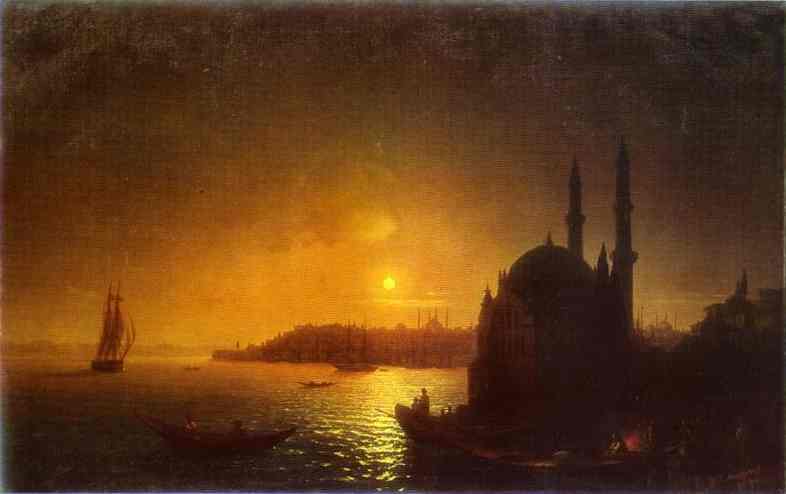 Welcome to Setine!
Setine is a beautiful desert city of gardens, beauty, and riches. The gardens and beauty are nice, but you’d REALLY like to get your hands on the riches.
Come to Setine with a level 1 character (or just show up and grab a pre-made character!)
Special Poverty Rules
 Instead of the normal starting money (100GP) you start with 10 GP and a ragged set of clothes. You’re too poor to afford most normal equipment, but you’re in luck! For every piece of equipment from the Player’s Handbook, there is a “bad” version that costs 1/10 the price! Every piece of bad equipment comes with some flaw: bad weapons break on a natural 1, bad food has a chance to make you sick, etc.
Room and Board
Normally, D&D characters don’t have to worry about their next meal, but in Setine, you’re only a day or two away from starvation.
 The Golden Grapes: A fine inn in the respectable Silver District. 7 SP per night or 30 per week.
The Ragman: A disreputable inn. Keep an eye on your possessions! Located in the beautiful Baths District, where all the streets are flooded with a foot of standing water. 7 CP per night or 3 SP per week.
Sleeping on the streets: FREE! But you won’t heal or get your daily powers back.
Traveling in the City
When traveling between neighborhoods, you can either take the high roads or the back streets. On the high roads, the guards will let you through if you have appropriate clothing (normal clothes for middle-class neighborhoods, fine clothes for rich neighborhoods). If you take the back streets, you might run into a gang or other unpleasantness.
Everything below here is optional! You don’t have to read it if you don’t want to!
OPTIONAL: Backgrounds
You can take one of the following 10 backgrounds, which give you unique advantages and disadvantages, or you can skip the backgrounds and come up with any backstory you want.
 Traveler: You’re not from Setine. You might be a sailor, merchant, con man, mercenary, or any other type of fortune seeker. You heard that Setine was paved with gold, but that doesn’t seem to be true in your neighborhood. Advantages: You speak the Southern language. Also, please tell me about the moneymaking opportunity that drew you to town. It might still work out! Disadvantages: You’re not from around here. -2 to Streetwise checks.
Honest Guardsman: You work under incorruptible Captain Pike (“The Tarrasque”). You can barely survive on your guardsman’s salary. Advantages: Start with a free low-quality spear (breaks on a natural 1) and low-quality chain mail (breaks if you’re critically hit). You have access to patrol schedules, so you can always summon a guard patrol within a neighborhood. Half the guards are honest, and inclined to be friendly. Disadvantages: Half the guards are corrupt, and inclined to be unfriendly.
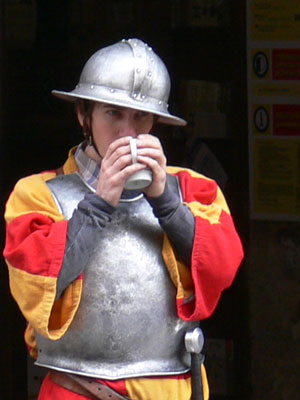 Corrupt Guardsman: You work under good old Captain Falstaff (“The Wine Cask”). You make a little money on the side, but that’s the only way to survive on a guardsman’s salary. Advantages: Start with free chainmail and spear and guardsman uniform. You have access to patrol schedules, so you can avoid the guards within a neighborhood. Half the guards are corrupt, and inclined to be friendly to you. Disadvantages: Half the guards are honest, and inclined to be unfriendly.
Guild thief: You’re a low-ranking member of the respected Thieves Guild. Advantages: Access to “safe houses” in each neighborhood, and a fence that buys at 2x the normal fence price. Disadvantages: Half the people and houses in their city pay their dues to the Guild, and you are not allowed to rob them.
 Guild beggar: You might be a pretend cripple or a plucky street orphan. You work for Vomit, the eccentric leader of the Beggar’s Guild. Advantages: Free access to the sewers (from every neighborhood except the Baths, where the sewers are underwater). You can beg (a minigame that can make you money). Disadvantages: You start with 3 GP instead of 10 GP.
Struggling Artist or Student: You’ve been living in a garret working on your play/painting/translation/performance. If you could just get some rich backers, you could release it to the world and probably be a huge success! Advantages: If you can raise at least 300 coins, you could release your masterwork, which could pay you back ten times over if it’s a hit! Disadvantages: Success is based on your artistic skills.
 Orc: Orcs are commonly used as bodyguards and mercenaries. You’re between jobs. (For orc, use the stats of either half-orc or goliath). Advantages: +2 Intimidate. Free entry to the orc camp. Once a day, you can get 1-6 orc friends to help you on a job. Disadvantages: Poor orcs are generally regarded with suspicion, because when they’re hungry they smash things.
Noble: You’ve sold your lands, pawned your heirlooms, and your friends are avoiding you. If you could just raise 5000 GP you could pay off your debts and get a fresh start. Advantages: Start with a set of fine clothes. You also have a masterwork weapon (+1 to hit), but it’s pawned. You can redeem it for 100GP. Disadvantages: Half the merchants in the city refuse to do business with you. Debt collectors are combing the city for you. If they catch you, prison is the best-case scenario.
 Disgraced Paladin: The Order of Tima (the “knights in white satin” are a pretty easygoing group of paladins devoted to courtly love. I don’t know what you did to get under their skin, but they’ve kicked you out of the Citadel of Love. Advantages: You start with your uniform, a fine suit of white clothes that gives you a +8 AC bonus as long as it is immaculately clean. Disadvantages: Becoming Bloodied or travelling through the filthy Baths district has a chance of dirtying your uniform.
 Illegal Necromancer: You’re a wizard or cleric who worships a certain god who is unjustly suppressed in these parts. You’ve been kicked out of your former church or wizard’s college for your progressive beliefs. Advantages: When you find a corpse, you can raise it as a level 1 skeleton or zombie helper. You can only have one helper at a time. Disadvantages: Necromancy is illegal; the guards had better not find out about your little helper.